6 Min Read
You've been thinking about remodeling your home for a while. Maybe the kitchen feels disconnected from the rest of the house, the bathrooms are showing their age, or the layout simply doesn't work as well as it once did.
You probably have plenty of ideas about what you'd like to change. Figuring out how to turn those ideas into a realistic renovation plan is another matter.
If you're planning a whole home remodel in the Palm Beaches, this guide will help you identify your priorities, establish a budget, understand when to involve a design-build contractor, and prepare for the design and construction process.
Table of Contents
- Where Should You Start When Planning a Whole Home Remodel?
- How Do You Decide What to Change in Your Home?
- When Should You Meet With a Design-Build Contractor?
- How Do You Set a Budget for a Whole Home Remodel?
- What Should You Know About Remodeling a Home in the Palm Beaches?
- What Happens During Design and Preconstruction?
- How Should You Prepare for Construction?
- Frequently Asked Questions
Where Should You Start When Planning a Whole Home Remodel?
Start by identifying what isn't working in your home, what you'd like to improve, and how much you're comfortable investing in the renovation.
You don't need architectural drawings or a detailed list of materials to begin. A general understanding of your goals is enough to start having productive conversations.
Think about your home as a whole rather than approaching each room independently. A kitchen renovation might create opportunities to improve the adjoining living area. Updating several bathrooms could be part of a larger effort to modernize the home's plumbing and finishes.
Consider what you want your home to offer over the next several years. Your needs may have changed since you moved in, and the renovation is an opportunity to address those changes.
The goal isn't to finalize the renovation. It's to develop enough direction to begin exploring what's possible.
How Do You Decide What to Change in Your Home?
Prioritize your whole home renovation by separating problems that affect everyday life from improvements you'd simply enjoy having.
Walk through your house and pay attention to how you use each space. A kitchen that feels too small may actually have a circulation problem. A living room that rarely gets used might be disconnected from the areas where your family spends most of its time.
Try organizing your ideas into three categories:
- Problems to solve: Poor layouts, insufficient storage, outdated systems, or limited accessibility.
- Improvements you'd love: Larger windows, custom cabinetry, upgraded finishes, or more entertaining space.
- Things worth preserving: Architectural details, existing room dimensions, outdoor views, or features that give the house its character.
It can also help to involve everyone who regularly uses the home. Someone who cooks frequently may have different priorities than a family member who works from home or needs a more accessible bathroom.
Don't worry about solving every issue yourself. Some of the best options may not be obvious until a design professional evaluates the space.
When Should You Meet With a Design-Build Contractor?
Meet with a design-build contractor early in the planning process, before committing to a layout or investing in detailed renovation plans.
Many homeowners hesitate to contact a remodeling company because their ideas aren't fully developed. Others worry that scheduling a consultation means they're expected to be ready to sign a contract.
An early conversation can actually help you make sense of the possibilities.
A design-build contractor can evaluate your existing home and discuss how your ideas relate to the property's structure, systems, and construction requirements.
That guidance is particularly helpful when considering substantial changes, such as removing walls, relocating a kitchen, or reconfiguring several rooms.
What Should You Discuss During Your First Consultation?
Your initial consultation should focus on your remodeling goals, the condition of your home, your budget expectations, and your preferred timeframe.
You can prepare by gathering:
- Photos or examples of spaces you like
- A list of problems you want to solve
- Your approximate investment range
- Any known issues with the home
- Your preferred project timeline
You don't need to arrive with a complete design. Leaving some decisions open allows the design team to recommend solutions you may not have considered.
For example, a modest layout adjustment might improve several rooms without requiring the extensive structural work you originally imagined. Understanding those possibilities early can help you make better decisions about the scope of your renovation.
How Do You Set a Budget for a Whole Home Remodel?
A realistic whole home remodeling budget should reflect the size of the renovation, the extent of structural changes, and the materials and finishes you want to incorporate.
Whole-home renovations in the Palm Beaches can involve kitchens, bathrooms, flooring, lighting, and major changes to the home's interior.
For preliminary planning, whole house remodeling costs in Palm Beach County generally range from $250,000 to $3 million or more, depending on the scope and level of customization.
That's a broad range because renovating a home while keeping most of the existing layout is very different from removing walls, relocating rooms, and introducing extensive custom features.
Decide on an investment range that feels comfortable and share it with your design-build team. This gives everyone a starting point for evaluating design options.
You should also allow room for unexpected conditions, particularly when remodeling an older property.
For a closer look at remodeling costs and what different investment levels may include, explore BlueLadder Builders' Home Remodel Cost Guide.
What Should You Know About Remodeling a Home in the Palm Beaches?
Whole home remodeling in the Palm Beaches requires attention to local building regulations, existing property conditions, and South Florida's climate.
Palm Beach County includes multiple municipalities, and permitting requirements may vary depending on the property's location and the work involved.
A renovation that includes structural changes, new windows, or major electrical and plumbing improvements may require permits, engineering, and inspections.
Older homes can present additional considerations. Previous renovations, outdated systems, or hidden moisture damage may affect the scope once construction begins.
Florida's climate also influences certain design decisions. Appropriate ventilation, moisture-resistant materials, and suitable windows and doors can contribute to the long-term performance of the renovation.
These considerations should be part of the initial planning conversation so they can be addressed alongside the home's layout and design.
What Happens During Design and Preconstruction?
Design and preconstruction turn your remodeling ideas into coordinated plans, material selections, and a defined scope of work that can be prepared for construction.
During design, you'll work through room layouts, cabinetry, finishes, lighting, and other features. Architectural drawings and engineering may also be required.
Preconstruction involves preparing the project for execution. This can include permit applications, subcontractor coordination, material ordering, and construction scheduling.
These phases are closely connected. A change to the kitchen layout, for example, may affect electrical plans, cabinetry specifications, and material orders.
It's also when homeowners begin to understand how individual decisions affect the larger project. A particular finish might have a longer lead time, or a proposed wall removal may require additional engineering.
Working through these details before demolition gives you more opportunities to adjust the plans without disrupting construction.
How Should You Prepare for Construction?
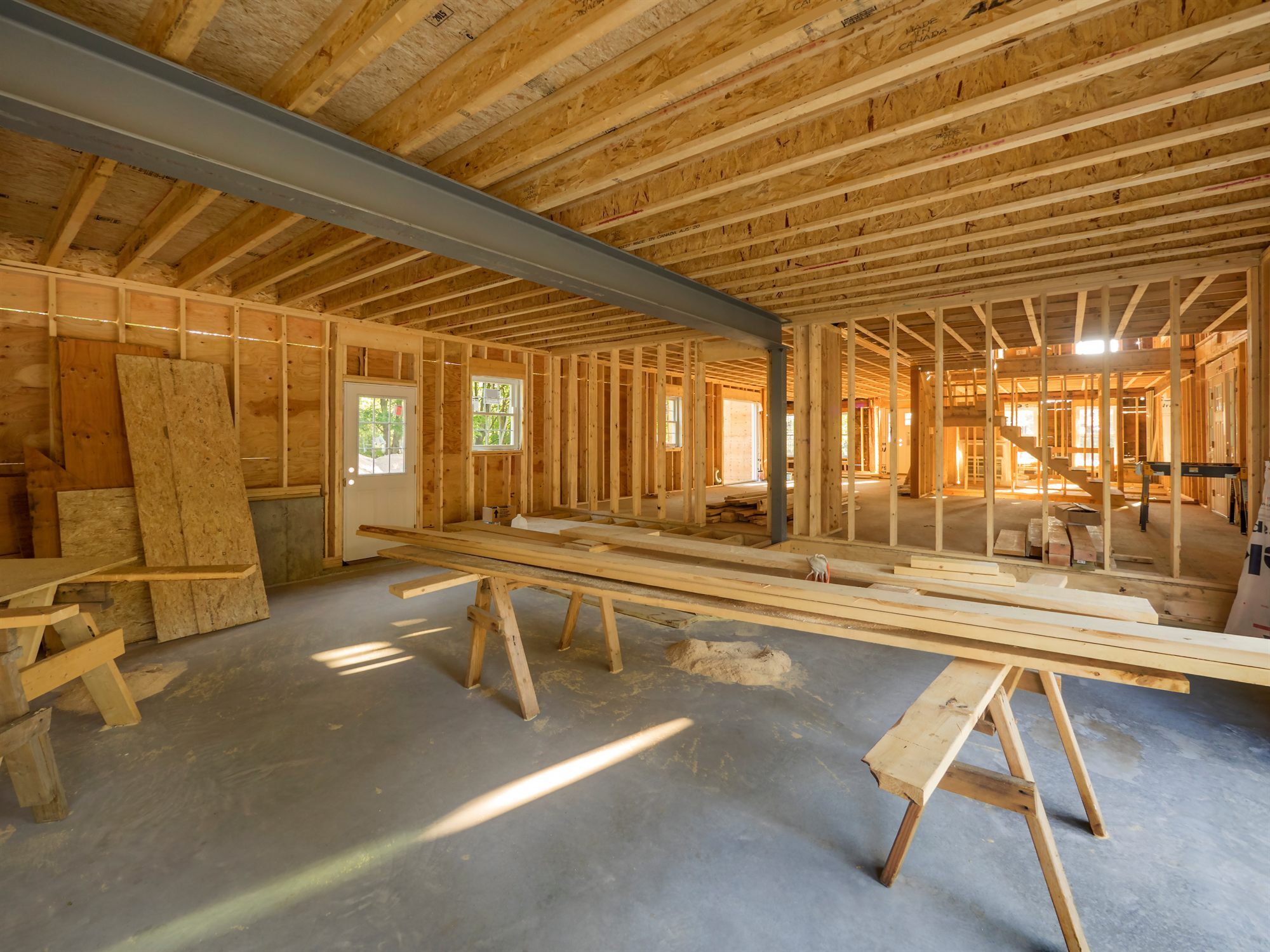
Preparing for a whole home remodel involves protecting your belongings, planning around disruptions, and deciding if you'll need temporary accommodations.
A major renovation can affect several areas of the house at once. Even rooms that aren't being remodeled may be impacted by noise, dust, deliveries, or temporary utility interruptions.
Before work begins, talk with your contractor about which areas will be accessible and how construction will progress.
A few practical preparations can help:
- Decide where you'll stay. Extensive renovations may make temporary relocation more comfortable or necessary.
- Plan for your belongings. Furniture, artwork, and personal items may need to be moved or stored.
- Discuss access and communication. Understand how crews will enter the property and how project updates will be shared.
- Make arrangements for pets and children. Active construction areas can present safety concerns.
Clear expectations make it easier to manage the disruption while your home is being renovated.
Frequently Asked Questions
What is the first thing you should do before a whole home remodel?
Begin by identifying the problems you want your renovation to solve and establishing a preliminary budget. You don't need to know exactly how every room should look. Once you have a general sense of your goals, meeting with a design-build contractor can help you evaluate your options.
Should I hire an architect or a design-build contractor for a whole home remodel?
Both approaches can work, depending on your project and how you prefer to manage it. A design-build company coordinates design and construction within a unified project approach, which can help homeowners evaluate design decisions alongside construction considerations. Discuss the company's design capabilities and responsibilities before deciding how to proceed.
How long does it take to plan a whole home remodel?
Planning a whole home remodel can take several months, depending on the project's complexity and required approvals. Design development, material selections, engineering, and permitting all contribute to the schedule. Starting early is especially helpful if you have a preferred construction start date.
Can you remodel an entire house without moving out?
It may be possible to remain in the home during some renovations, but extensive whole-home remodeling can make that difficult. Work involving multiple bathrooms, the kitchen, or major mechanical systems may interrupt daily activities. Your contractor can explain how construction will affect the house so you can decide if temporary relocation makes sense.
Is it better to remodel the entire house at once or one room at a time?
Remodeling the entire house as one project can make sense when several rooms need significant changes or share structural and mechanical systems. Coordinating the work may allow certain activities to overlap and reduce repeated disruptions. A phased renovation may be more appropriate when budget limitations or living arrangements make a single large project impractical.
Start the Conversation About Your Whole Home Remodel
You don't need a finished plan to begin exploring your renovation. Bring your ideas, your questions, and a sense of what you'd like to change.
BlueLadder Builders can help you explore the possibilities for your home in the Palm Beaches. Contact us to schedule a consultation and talk about your project.